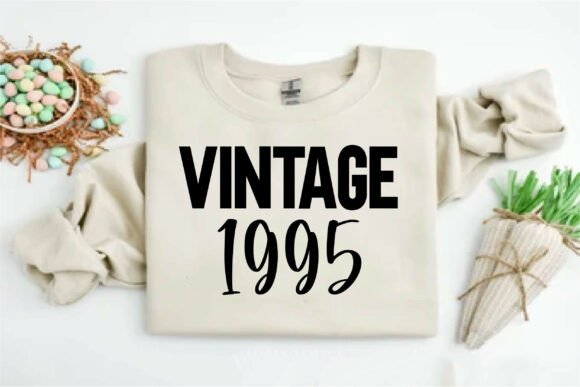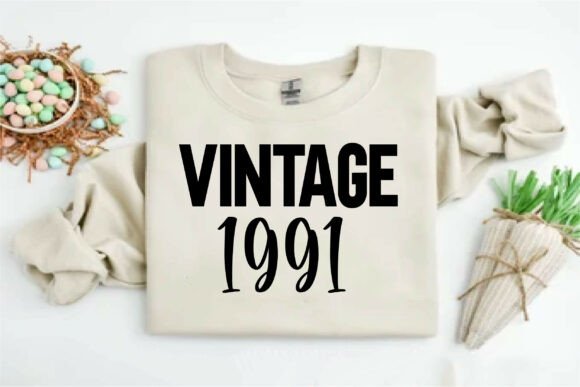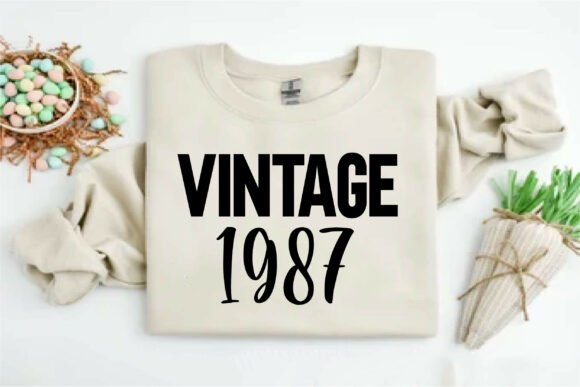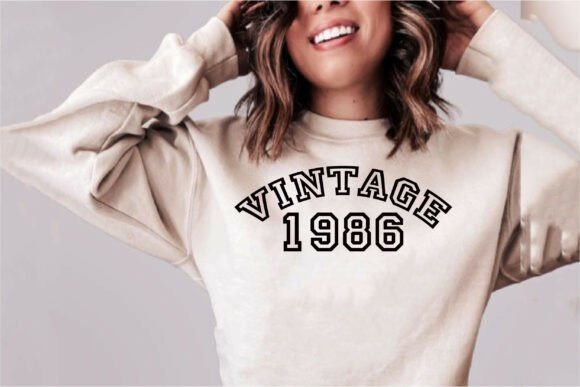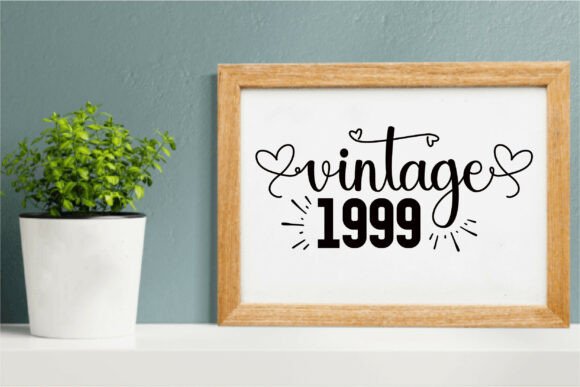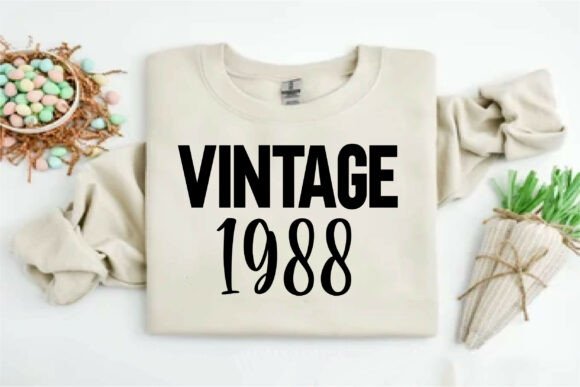
Vintage 1988 Graphics for T-Shirt Designs
When I first opened the Vintage 1988 graphic design asset, I was immediately struck by its ability to bridge nostalgia and modern commercial appeal. As a brand designer and content marketer who has worked on campaigns ranging from product launches to editorial layouts, I have learned that the best creative design assets do not just look good—they communicate a mood, reinforce audience trust, and simplify the workflow for busy content creators. Vintage 1988 delivers on all three fronts. This digital product arrives as a single .zip file containing a curated set of illustrations and clipart elements that feel both handcrafted and intentionally designed for professional branding. The bundle is positioned within the T-Shirt Designs category, but as I explored its potential, I realized its versatility extends far beyond apparel. What you receive is a digital download alone—no physical product—but the value lies in the creative possibilities this commercial design unlocks for small business branding, social media graphics, and marketing visuals.
First Impressions: Mood, Emotional Tone, and Audience Perception
The Vintage 1988 collection evokes a late-80s aesthetic that is warm, slightly worn, and deeply approachable. The textures are subtle, the linework feels deliberate, and the overall palette leans into earthy tones and muted contrasts. For a brand owner or content marketer, this creates an immediate emotional hook: the designs feel authentic rather than overly polished, which matters when you want to build audience trust through relatable visuals. In my experience, audiences today respond strongly to design assets that feel human. Vintage 1988 avoids the sterile perfection of some modern design assets and instead leans into a handmade, almost printed quality. This makes it especially suitable for lifestyle content, product labels, packaging design, and editorial graphics that need to feel personal without sacrificing professionalism. If your brand targets creative entrepreneurs, small business owners, or audiences who value craftsmanship and nostalgia, this graphic design asset will resonate from the first glance.
Real Campaign Use: Launching a Seasonal Product Line
To test Vintage 1988 in a real marketing scenario, I integrated it into a campaign for a small business launching a limited-edition seasonal product line—think artisanal candles with retro-inspired labels and matching social media graphics. The goal was to create a cohesive visual story that felt both premium and accessible. Using the SVG design and PNG design files from the bundle, I built product labels, Instagram posts, Pinterest pins, and a simple website header. The vintage motifs worked beautifully as accent elements around the product photography, and the clipart illustrations doubled as decorative brand elements on packaging inserts. The campaign visuals gained a consistent, recognizable look within days, and the client noticed stronger engagement on social media—particularly from audiences who responded to the nostalgic mood. This is where Vintage 1988 shines: it supports visual hierarchy by providing ready-to-use illustrations that do not compete with the main message but instead elevate the overall brand identity.
Brand Identity and Logo Design Applications
One of the first questions I ask when reviewing any graphic design asset is whether it can support brand identity work without looking like a generic template. Vintage 1988 passes this test well. The designs are detailed enough to stand alone as logo accents or monogram elements, yet flexible enough to pair with typography. I tested it alongside a serif font for a more editorial feel, a sans serif font for clean modern contrast, and even a handwritten font for a casual, artisan vibe. Each combination produced a distinct but cohesive look. For small business branding, this means you can use Vintage 1988 as a foundation for product labels, business cards, and digital ads without worrying that your visuals will feel disconnected. The commercial license that comes with this digital product also allows you to use the designs in client work and paid campaigns, which is essential for designers and content creators who need to protect their intellectual property.
Where Vintage 1988 Works Best in Marketing and Branding
Through my testing, I identified several areas where this creative design asset performs exceptionally well. Use Vintage 1988 for hero graphics on campaign headers, product launch visuals, and branded templates where you want an immediate emotional connection. The illustrations also excel in social media graphics—especially Instagram posts and Pinterest pins that rely on strong visual storytelling. For printable design projects like event flyers, posters, stickers, and merchandise, the textures and linework hold up well at various sizes. I also found the bundle useful for email banners and blog graphics where a touch of vintage character helps differentiate your content from standard stock imagery. If you are building a content kit for a digital campaign, the PNG design files integrate easily into Canva templates and other layout tools, saving hours of custom illustration work.
Supporting Marketing Goals: Trust, Recognition, and Engagement
From a content marketing perspective, Vintage 1988 contributes directly to several measurable outcomes. The consistent visual style strengthens brand recognition across touchpoints—whether a customer sees your product label, a social media graphic, or a packaging insert. The nostalgic emotional tone builds audience trust by signaling authenticity and care. In a crowded digital landscape, professional branding helps your content stand out, and this bundle provides the visual hierarchy needed to guide viewers toward your key message without clutter. I noticed that the designs also improved product presentation in digital ads and editorial design layouts, making the overall campaign feel more polished and intentional. For online coaches, product creators, and digital sellers, this translates into higher perceived value and stronger engagement from your target audience.
Using Vintage 1988 in Website Headers, Media Kits, and Lead Magnets
Beyond social media and packaging, Vintage 1988 proves valuable for web design and content marketing assets. I used elements from the bundle to create a website header for a lifestyle blog, and the result felt both distinctive and on-brand. The same graphics translated well into a media kit for a creative entrepreneur, where the vintage aesthetic communicated experience and warmth. For lead magnets and printable promotions, the illustrations added personality without overwhelming the text. If you produce editorial content or run a content marketing operation, this graphic design asset can serve as a versatile source of decorative brand elements that keep your visuals fresh across seasons and campaigns.
Where to Use Vintage 1988 with Caution
No design asset is perfect for every context, and Vintage 1988 does have limitations. I recommend using it carefully in formal corporate branding environments where sleek minimalism or high-contrast professionalism is required. The vintage textures can get lost in dense information layouts, so avoid using them as backgrounds for text-heavy ads or small mobile graphics where readability might suffer. If your brand leans toward an ultra-minimal aesthetic, the detailed illustrations may compete with your clean visual language. Similarly, test the asset against low-contrast backgrounds—some of the lighter linework may disappear if not paired with sufficient contrast. Always preview your designs on mobile screens and check how the graphics scale down before finalizing any campaign materials.
Practical Brand Designer Notes for Vintage 1988
Before you use this design bundle in a real campaign, here are a few practical checks I always perform. Test every element against your brand color palette to ensure the vintage tones harmonize with your existing identity. Check black and white usage for applications where color is limited—the designs hold up well in monochrome, but some subtleties may shift. Place the graphics inside real campaign mockups early in your workflow, not just on a white screen. Preview everything on mobile screens and test readability at small sizes, especially if you intend to use the designs in digital ads or social media graphics. Compare your final visuals against competitor branding to confirm that Vintage 1988 helps you stand out rather than blend in. Additionally, review spacing and balance when pairing the illustrations with typography—serif fonts complement the vintage mood naturally, while sans serif fonts create a modern contrast that works well for clean layouts. Handwritten fonts can enhance the artisan feel, but test carefully to avoid visual noise. Finally, confirm the commercial license terms before using the asset in paid campaigns, client projects, or business branding. This bundle is a commercial design product, but understanding the usage rights ensures you stay compliant and protected.
Final Thoughts on Vintage 1988 for Content Creators and Marketers
Vintage 1988 is more than a simple clipart collection—it is a thoughtful graphic design asset that supports real branding and marketing workflows. For brand owners, bloggers, social media managers, and creative entrepreneurs, it offers a fast, professional path to building visual consistency without hiring an illustrator. The emotional tone is warm and trustworthy, the applications are broad, and the quality holds up across both digital and print contexts. Whether you are launching a product, refreshing your brand identity, or building a content kit for seasonal promotions, Vintage 1988 can help you create marketing visuals that attract attention, build audience trust, and feel genuinely designed. As with any design asset, the key is to integrate it thoughtfully into your existing visual system—test, adjust, and let the vintage character enhance your message rather than overshadow it.
If you are looking for a creative design bundle that balances nostalgic charm with commercial versatility, Vintage 1988 deserves a place in your toolkit. It understands the needs of modern content marketing while honoring the visual language of a beloved era. For small business branding, editorial graphics, and digital campaigns that need to connect on an emotional level, this digital product delivers exactly what a smart brand designer looks for: mood, flexibility, and professional-grade quality.