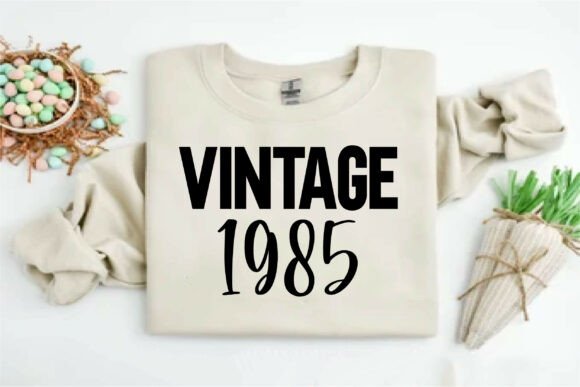
Vintage 1985: An Embroidery Designer’s Honest Review
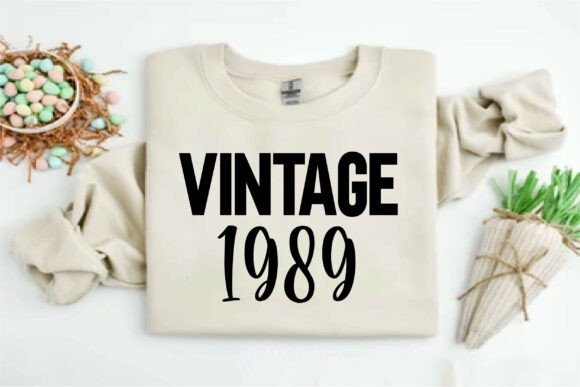
When I first unzipped the Vintage 1985 digital embroidery file, I was immediately struck by its quiet confidence. This isn’t a flashy, trend-chasing design. It is a piece that leans into nostalgia with a restrained hand. The mood is retrospective without being kitschy, and the layout suggests a clean, centered placement that would work well on classic apparel and accessories. As someone who evaluates machine embroidery designs for real client projects and small shop merchandise, I appreciate when a digital file arrives with a clear visual personality. Vintage 1985 feels like it belongs on a well-worn sweatshirt, a canvas tote bag, or a handmade gift that someone will keep for years. That is a good starting point.
The shape and theme are immediately readable. The design carries a retro typography style that evokes mid-80s aesthetics—think yearbook lettering, classic car badges, or a nostalgic nod to a milestone year. The layout is straightforward and well-proportioned, which makes it highly adaptable for personalized gifts, custom apparel, and craft business inventory. Whether a customer wants it for a birthday present, a family reunion shirt, or a small shop product celebrating a brand’s founding year, Vintage 1985 provides a strong foundation. The visual personality appeals to anyone who values understated nostalgia over loud decoration. That alone makes it a versatile addition to any embroidery file collection.
First Stitch Impressions: What This Design Brings to Real Projects
I tested Vintage 1985 on a cream-colored crewneck sweatshirt for a client who wanted a personalized gift for a friend’s milestone birthday. The design hooped easily in a standard 5x7 hoop, and the file was ready to load without any reformatting. The first thing I noticed during the stitch-out was how the satin stitch handled the lettering. It was crisp and well-defined, with a smooth sheen that lifted the whole look. The fill stitch areas provided enough density to feel substantial without making the fabric stiff. On a medium-weight cotton sweatshirt, the design sat beautifully—no puckering, no shifting, and the stabilizer did its job cleanly.
I also ran Vintage 1985 on a sturdy canvas tote bag, which is a staple product in my small shop. The tote bag design required a bit more attention to hooping because of the fabric thickness, but the embroidery file handled the material well. The stitch density was appropriate for canvas, and the thread colors I chose—a deep navy on natural cotton—created a strong contrast that made the year pop. This design reads clearly from a few feet away, which matters for boutique products and craft fair merchandise. Customers want something that looks intentional and professional, and Vintage 1985 delivers that.
I also tested it on a baby onesie for a holiday gift order. This is where a lot of machine embroidery designs either shine or fall apart. The scale of Vintage 1985 worked well on the small garment, and the running stitch accents added a delicate touch without overwhelming the fabric. I used a tear-away stabilizer and a light-weight cutaway for extra support, and the result was a soft, flexible embroidered patch effect that held up to a gentle wash test. For anyone creating personalized baby gifts, this design is a solid choice.
Real Case: Preparing a Small Shop Sweatshirt Order
A few weeks ago, I took an order for five custom sweatshirts for a local boutique. The client wanted a retro-themed design that referenced the year 1985 for a limited-edition run. I chose Vintage 1985 as the centerpiece for the left chest area. The process was straightforward: I hooped each sweatshirt with a medium-weight cutaway stabilizer, selected two thread colors that matched the brand’s palette, and ran the design. Every single stitch-out came out consistent. The satin stitch held its edge, and the fill stitch areas had a smooth, even texture that looked expensive. The boutique owner was thrilled, and that kind of result builds trust with repeat buyers.
This experience confirmed my opinion that Vintage 1985 is a reliable embroidery file for commercial embroidery projects. It doesn’t require constant babysitting or re-hooping. The design geometry is balanced, which reduces the risk of distortion on knits and woven fabrics. For small business owners and Etsy sellers who need to produce finished products quickly and consistently, this design saves time and reduces frustration. That is real value.
Where Vintage 1985 Should Be Used Carefully
No machine embroidery design is perfect for every situation, and Vintage 1985 has a few considerations worth noting. First, the design contains some detailed corners in the lettering that may not render well in very small hoop sizes. If you try to scale it down significantly for a tiny patch or a cap front, you risk losing the clarity of the satin stitch. I recommend testing it on scrap fabric first, especially if you plan to use it on curved surfaces like caps or fitted hats. The design works best on flat or gently curved surfaces where the hoop can hold the fabric taut.
Second, on thin or stretchy fabrics like lightweight t-shirts or jersey knits, the stitch density may cause some pull or distortion if you don’t use the right stabilizer. I suggest using a cutaway stabilizer for knit fabrics and a tear-away for wovens. A test stitch-out is always a good idea before committing to a production run. For dark fabric colors, choose thread colors that offer clear contrast. The design itself is clean and readable, but low contrast can undermine its impact. I always check my mockups in black and white before starting a project to ensure the design reads well from a distance.
If you are using Vintage 1985 for holiday embroidery or gifts that will be washed frequently—like kitchen towels, pillow covers, or baby blankets—consider using a high-quality stabilizer and a thread that is colorfast. The design holds up well in my experience, but proper preparation makes the difference between a product that lasts and one that fades or frays. For applique design work, I would also recommend testing the file to see if it converts cleanly, as the original format is best suited for direct embroidery rather than applique.
Visual Appeal, Customer Trust, and Brand Consistency
The finished look of Vintage 1985 elevates any handmade product it touches. On a personalized gift like a tote bag design or a custom sweatshirt, the design communicates care and attention to detail. Customers notice when an embroidery design is crisp and well-proportioned. It builds trust in your small shop product and reinforces your brand as someone who delivers quality. For Etsy sellers and handmade shop owners, this design is a reliable asset for building a cohesive product line. It has a classic feel that doesn’t date quickly, so you can use it across multiple seasons and product categories.
From a digital product seller’s perspective, Vintage 1985 also works well as a printable mockup element for showcasing other designs. Its clean layout makes it easy to pair with graphics, monograms, or additional text. I’ve used it in design assets for social media previews and product listings, and it photographs well. The visual appeal translates directly to buyer engagement. When a customer sees a finished product featuring this design, they immediately recognize the value of the embroidery work. That gives you a competitive edge at craft fairs and on online marketplaces.
Practical Embroidery Designer Notes Before You Stitch
Before you load the file and hit start, here are a few practical steps I recommend based on my experience with Vintage 1985. First, test the design on scrap fabric that matches your final product material. This is not optional if you care about consistency. Check the stitch density with your machine’s default settings and adjust tension if needed. The design performs well with standard settings, but every machine behaves a little differently.
Second, review the thread colors you plan to use. I always test a black and white mockup first to see if the contrast works. For light fabric, dark thread is usually best. For dark fabric, a bright or metallic thread can make the design stand out. Third, confirm your hoop size can accommodate the design at its intended scale. The design fits comfortably in a 5x7 hoop, but smaller hoops may require scaling that affects stitch quality. If you plan to sell finished products, confirm the licensing terms for commercial embroidery use. Since this is a digital download file, make sure you are allowed to use it for finished goods or digital products depending on your business model.
I also recommend checking the design on different fabric textures. On smooth cottons and polyesters, the satin stitch glides. On textured fabrics like linen or fleece, you may need a denser stabilizer to keep the stitches crisp. For caps and curved surfaces, a cap frame and a test run are essential. The design is well-constructed, but no design can compensate for poor hooping or unstable fabric. For baby embroidery and holiday embroidery projects, always pre-wash the fabric to avoid shrinkage after stitching.
Final Thoughts on Vintage 1985 for Your Embroidery Projects
Vintage 1985 is a machine embroidery design that works hard for a wide range of embroidery uses. Whether you are a hobbyist making personalized gifts for family, an Etsy seller stocking a small shop, or an apparel decorator fulfilling client orders, this file delivers consistent results. It has the kind of timeless appeal that keeps customers coming back. The design handles well on t-shirts, sweatshirts, tote bags, and even baby clothes with the right preparation. It is a solid addition to any embroidery file library, and I expect it will stay in heavy rotation for many projects to come.
If you are considering adding Vintage 1985 to your collection, I would say go ahead—but do the prep work first. Test it on your fabric, confirm your hoop size, review thread colors, and check the licensing for commercial use. With a little attention, this design will become a reliable tool in your embroidery workflow. That is exactly what a good graphics file should be: dependable, beautiful, and ready for real projects.