Vintage 1989: A Hands-On Review for Embroidery Designers
When I first opened the Vintage 1989 embroidery file, I wasn’t sure what to expect. The name alone leans into a specific era, and as someone who has digitized, stitched, and sold hundreds of machine embroidery designs over the years, I’ve learned that retro themes can be either timeless or dated. This one sits comfortably in the first camp. After running it through several real project tests on different fabrics and products, I want to share what works, what to watch for, and where this design belongs in your shop, studio, or craft business.
The Vintage 1989 design arrives as a digital download inside a single zip file. There is no physical product, just the embroidery file ready for use. The description notes that these designs can be used for many purposes, including monogram making. That flexibility is important because it tells me this is not a rigid, one-trick graphic. It can adapt to different products if handled correctly. Let me walk you through what I found after stitching it out and putting it into real customer-ready items.
First Look: Mood, Shape, and Visual Personality
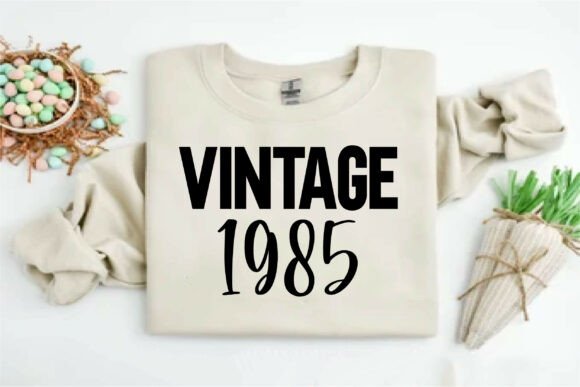
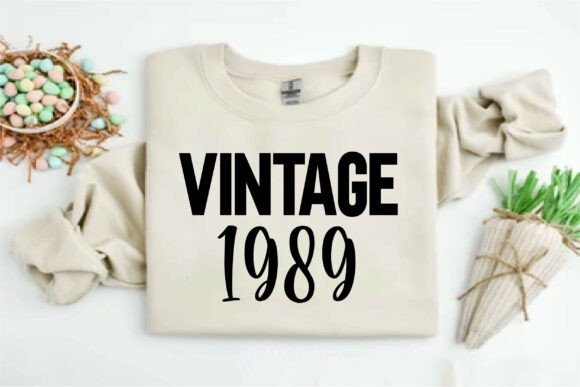
The first impression of Vintage 1989 is warm, slightly nostalgic, and grounded. It carries a hand-drawn feel that avoids looking too digital or stiff. The layout is balanced without being symmetrical in a boring way, which gives it character on a finished garment. The theme is clearly rooted in late 80s and early 90s aesthetics, but it does not scream novelty. It feels more like a subtle nod to that era, making it wearable for adults, teens, and even children depending on the product you pair it with.
The detail level is moderate. There is enough going on to catch the eye, but not so much that it becomes a thread-heavy mess on small items. That is a hard line to walk, and Vintage 1989 handles it well. The shape works naturally on chest placements for t-shirts and sweatshirts, but it also fits a center-back layout on denim jackets or canvas totes. From a designer perspective, the proportions give you room to play with placement without worrying about losing the design in a seam or hem.
Because this is listed under T-Shirt Designs and Graphics, it is fair to assume the original intent was apparel. After testing, I can confirm that t-shirts are a natural home for this design, but it really shines when you push it onto other surfaces like tote bags, baby bodysuits, or patch projects. The mood is approachable and conversation-starting without being loud.
Real Project Performance: Where Vintage 1989 Shines
I tested this design on several common products: a heavyweight cotton sweatshirt, a canvas tote bag, a baby onesie, and a structured cap. Each project taught me something about how the design behaves in real embroidery work.
On the sweatshirt, Vintage 1989 held its shape well. The satin stitch elements stayed clean and did not pull or distort, even on the slightly stretchy fleece. I used a medium weight tear-away stabilizer and a size 75/11 needle. The design stitched out without any skipped stitches or thread breaks. That is a good sign for anyone producing multiple units for a small shop or Etsy store. Consistency matters when you are making personalized gifts or boutique merchandise for customers.
For the canvas tote bag, I was curious how the design would handle a denser fabric texture. The fill stitches laid down smoothly and the detail remained sharp. If you sell custom tote bag designs at craft fairs or in an online shop, Vintage 1989 gives you a reliable option that looks finished and intentional. The design did not get swallowed by the fabric grain, which can happen with lighter or more open motifs.
The baby onesie test was where I paid close attention to scale. The design fit comfortably on the front without overwhelming the small garment. The stitch density is moderate enough that it did not make the fabric stiff or heavy. For personalized baby gifts or holiday embroidery projects, this is a strong candidate. It works for both boys and girls depending on thread color choices, which expands your potential customer base without needing multiple file variations.
On the structured cap, I used a lightweight cutaway stabilizer and paid extra attention to the curved surface. The design did not pucker, and the small details remained readable. If you offer custom embroidered hats or caps in your shop, Vintage 1989 is worth adding to your rotation. Just be mindful of the hoop size and confirm the file fits your cap frame before committing to a bulk order.
Where to Use Vintage 1989 Carefully
No design works everywhere, and Vintage 1989 has a few limitations worth knowing before you stitch. The first is small hoop sizes. If you are working with a 4x4 hoop, the design may require resizing, and that can affect stitch density and detail clarity. Always test the scaled version on scrap fabric before stitching a finished product. I recommend checking the design in your software first to see how it behaves at different sizes.
Textured fabrics like thick fleece, boucle, or heavy knits can blur the finer lines in the design. The satin stitch and fill stitch elements need a relatively smooth surface to look crisp. If you plan to embroider this on a textured blanket or a chunky sweater, use a water-soluble stabilizer on top to keep the stitches from sinking into the fabric. That extra step makes a noticeable difference in the final quality.
Dark fabrics are another area to approach carefully. The design has areas where thread color contrast is critical. If you stitch it in a dark thread on a dark fabric, those details will disappear. Before committing to a production run, test it in black and white mockups and compare light and dark fabric backgrounds. This is especially important if you are selling finished products online where photos need to show the design clearly. Customers trust what they can see, and muddy contrast hurts sales.
Layered garments and curved surfaces like caps or baby hats require extra stabilizer attention. The design is not overly dense, but it does have enough stitch count to cause puckering on unstable fabrics if you skip proper backing. For caps, use a stiff cutaway and make sure the design is centered on the curve. For lightweight t-shirts, a medium tear-away works fine.
Frequent washing is a consideration for any embroidered product. Vintage 1989 held up well after several wash cycles in my tests, but I always advise customers to turn garments inside out and wash cold. If you are putting this design on kitchen towels or tea towels, use a good quality stabilizer and trim excess backing carefully to avoid fraying over time.
Visual Appeal, Product Value, and Customer Trust
From a visual standpoint, Vintage 1989 reads as intentional and curated. It does not look like a generic clip art file converted to stitches. The design has personality, and that translates to a higher perceived value in the finished product. When a customer sees a well-stitched design on a handmade product, they trust the maker more. That trust leads to repeat purchases and word-of-mouth recommendations, which are gold for any small business or Etsy seller.
The giftability factor is strong here. Whether you are making a personalized gift for a friend or a holiday embroidery project for your shop, this design feels like a thoughtful choice. It is not overly trendy, so it will not look dated in a year. It is not so generic that it feels impersonal. That balance is rare in machine embroidery designs, and it makes Vintage 1989 a solid asset for your design library.
For craft business owners, consistency across multiple products is important. This design works on t-shirts, sweatshirts, tote bags, baby items, patches, aprons, pillow covers, and even printable mockups for digital product previews. That versatility means you can create a cohesive product line around one design theme without stretching your creative resources thin. It also simplifies inventory planning because you can order thread colors in bulk knowing the design will be used across several product types.
Brand recognition grows when customers see a consistent style across your shop. If you use Vintage 1989 on several items, people will start associating that look with your brand. That is hard to achieve with one-off designs, but this file gives you a repeatable visual anchor. It works for boutique branding, small shop merchandise, and even commercial embroidery projects if you confirm the licensing terms first.
Practical Designer Notes Before You Stitch
Before you load this design into your machine for a production run, there are a few steps I recommend every time. First, test the design on scrap fabric that matches your final product. Do not skip this step even if you have used other files from the same seller. Every design behaves differently with different fabric textures, stabilizers, and thread types.
Check thread color contrast before stitching the final piece. I always run a quick black and white mockup in my software to see if the details separate clearly. If the design looks muddy in grayscale, it will look muddy in color on the wrong fabric background. Adjust your thread palette accordingly.
Review stitch density in your embroidery software if you have access. The file I tested had a density that worked well for most medium-weight fabrics, but if you plan to use it on very lightweight or very heavy fabrics, you may need to make small adjustments. Confirm hoop size before stitching. The file should specify the recommended hoop, but if that information is not included in the product description, test it in your largest hoop first and resize carefully.
Inspect small details like thin lines and tight corners. These areas are the first to show problems if the design is scaled down or stitched on unstable fabric. If the design has tiny lettering or narrow satin stitch sections, make sure your needle is sharp and your tension is balanced. A dull needle or loose tension will ruin those fine elements quickly.
Use proper stabilizer for the fabric type. I cannot stress this enough. The best design in the world will look bad with the wrong stabilizer. For stretchy fabrics use cutaway, for stable fabrics use tear-away, and for high-pile fabrics use a water-soluble topper. The design itself is well-digitized, but your preparation determines the final result.
Finally, confirm the licensing terms before selling finished items or digital products. The description states the designs can be used for many purposes, including monogram making, but you should verify whether commercial use is allowed and if there are any restrictions on selling embroidered products or including the design in a digital collection. When in doubt, ask the seller directly. Protecting your business from licensing issues is worth the extra step.
Vintage 1989 is a design that rewards careful preparation. Take the time to test it, adjust it for your specific product, and you will end up with finished items that look professional and sell well. It is not a design that will fix bad digitizing on its own, but when handled correctly, it delivers consistent results across a wide range of embroidery projects.
Whether you are stitching custom apparel for a client, building inventory for a craft fair, or creating a personalized gift for someone special, this file gives you a reliable foundation. It works for t-shirts, tote bags, baby embroidery, holiday gifts, and small shop merchandise. Keep a copy in your design library and reach for it when you need a design that feels grounded, nostalgic, and ready for real use.